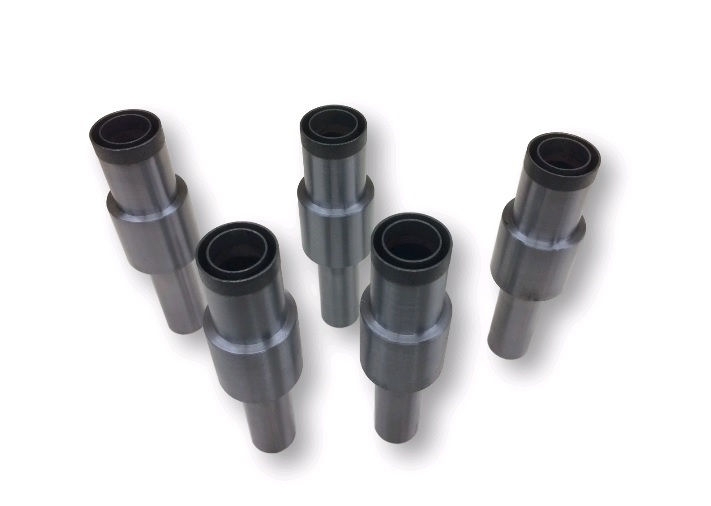
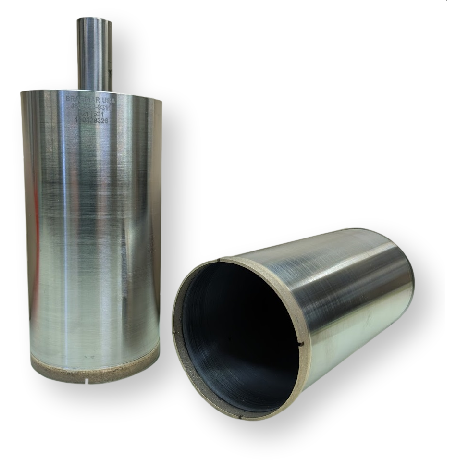
Using Diamond Core Drills
Diamond Core Drills – Complete Operating, Truing & Performance Guide | Braemar USA
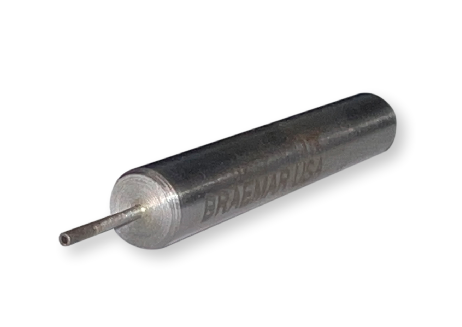
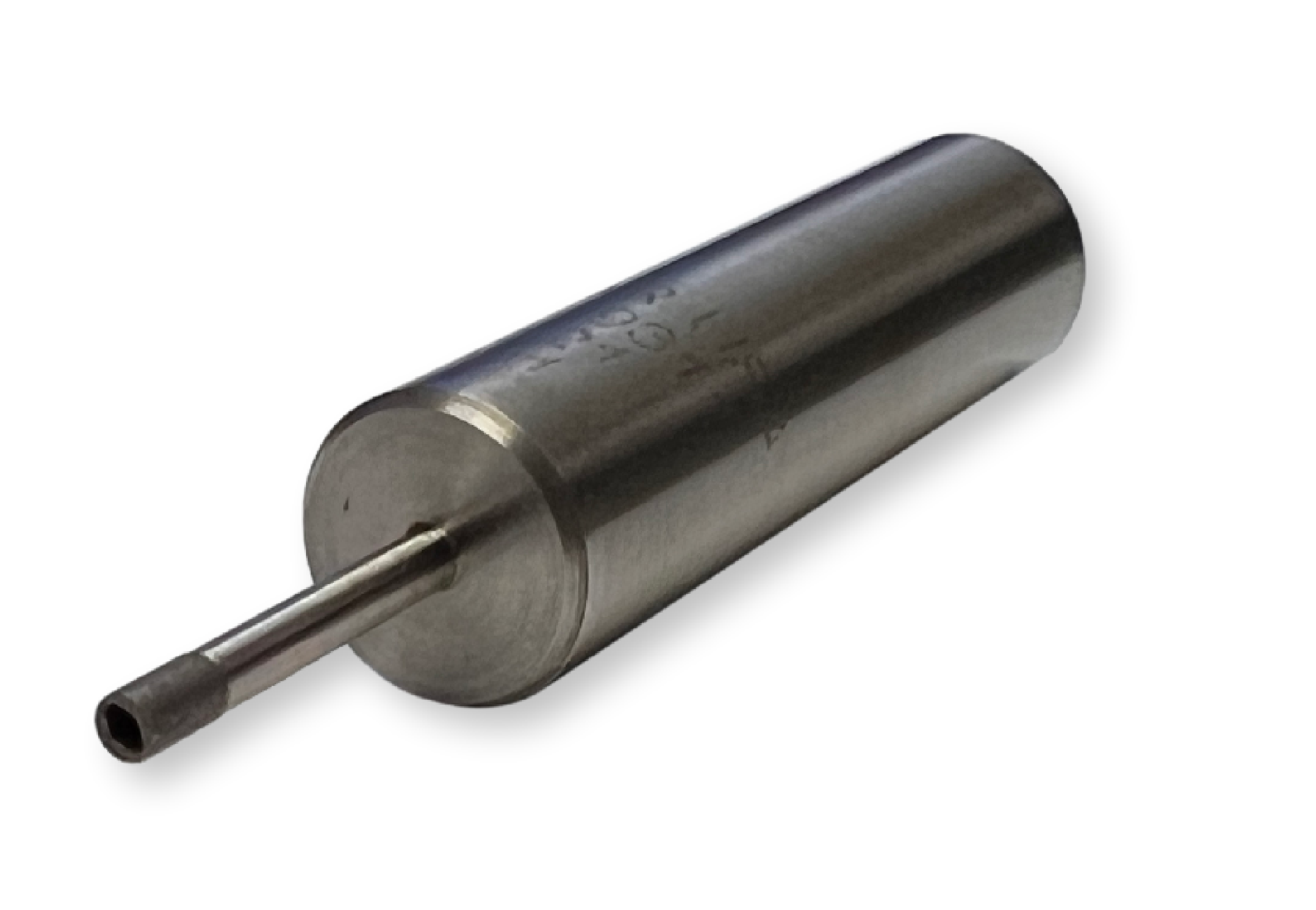
Diamond Core Drills are precision tools engineered for drilling hard, brittle, and advanced technical materials. Because so many variables influence performance—speed, pressure, coolant flow, machine setup, and operator technique—successful diamond drilling requires both proper equipment and informed operating practices.
This guide explains how to set speeds, dress and true your tools, reduce chipping, prevent core hang-up, hold tolerances, and select the correct drill configuration for your application.
Recommended Drilling Speeds for Diamond Core Drills
Choosing the correct drilling speed is essential for clean results and long tool life. However, there is no single fixed speed for diamond core drilling. Instead, speed depends on:
-
The material being drilled
-
Drill type (plated, metal bond, resin bond)
-
Coolant pressure and coolant type
-
Operator feed pressure
-
Machine design and rigidity
Because conditions vary, a variable-speed machine is strongly recommended. Most operators quickly determine the ideal speed by observing cutting action, coolant behavior, and the drill’s sound under load.
General guideline:
Diamond Core Drills commonly run between 2,000–8,000 ft/min, depending on material hardness and drill diameter. Regardless of the speed used, close observation is vital. Skilled operators continuously adjust speed and coolant flow to improve cutting efficiency and protect the tool.
Truing Diamond Core Drills
Truing ensures the drill head runs within required tolerances. A properly trued drill cuts faster, runs cooler, and produces more accurate holes.
How to true a diamond core drill:
-
Use a hard dressing stone to knock down high diamonds in the metal bond
-
Or use a Brake-Controlled Truing Device with a Silicon Carbide wheel
-
Always ensure the drill runs concentric before cutting critical parts
Braemar USA ships drills ready to use. A brief break-in period may still be required to stabilize the cutting surface.
Dressing (Conditioning) Diamond Core Drills
Dressing exposes fresh diamond cutting points and restores free-cutting action. Proper dressing prevents glazing, slow cutting, and chipping.
Diamond Exposure States
-
Under-Exposed Diamonds – Not Dressed
The drill cuts slowly and may chip material. -
Properly Exposed Diamonds – Correctly Dressed
Ideal cutting performance. -
Over-Exposed Diamonds – Incorrectly Dressed
Diamonds fracture prematurely and reduce drill life.
Diamond Core Drills are directional tools and must always rotate so the leading diamond edge enters the workpiece.
After dressing, perform the Thumb-Nail Test: lightly drag your thumbnail across the rim. A properly dressed drill feels sharp, giving a consistent reference point for future conditioning intervals.
If drilling slows or chipping appears, stop immediately and dress the tool. Never force the drill.
Minimizing Chipping and Break-Out
Chipping is one of the most common challenges in diamond drilling. While operator technique plays a major role, several methods help minimize damage:
-
Flip-drilling the last portion of the hole
-
Using an undersized drill, then finishing with a fine-grit reamer
-
Applying facing plates to support the exit surface
-
Reducing feed pressure at exit
-
Maintaining high-quality coolant flow
Although flip-drilling is ideal, it is not always practical due to realignment time. Reaming with fine grit is an excellent alternative when tight tolerances are required.
Preventing Core Hang-Up
Core hang-up typically occurs at breakthrough when a thin ring of uncut material holds the core in place.
To prevent this:
-
Apply minimal wax adhesive to support the core
-
Use proper coolant flow and ensure coolant reaches the cutting zone
-
Reduce feed pressure during the final few thousandths of travel
-
Monitor the process with a dial gauge to know exactly when breakthrough is near
Proper support and pressure control ensure clean holes and prevent drill binding.
Holding Hole Size & Tolerances
Braemar USA manufactures diamond core drills to ±0.001″ on diameters 3.000″ and smaller, with tighter tolerances available on request. However, even when a drill measures correctly, hole size may still vary due to machine or operator factors.
Before drilling, always check:
-
Spindle run-out using a dial indicator
-
Drive belt tension—too tight or too loose causes vibration
-
Drill seat cleanliness—debris causes misalignment
-
Head concentricity—the head must align with the shank
-
High diamonds—inspect with a loupe and remove with a fine file if needed
Although drilling into scrap glass may help the tool settle, the only reliable method is verifying concentricity with a dial indicator.
During through-drilling without backing, ease pressure and raise spindle speed near exit. Operator skill improves quickly as experience grows.
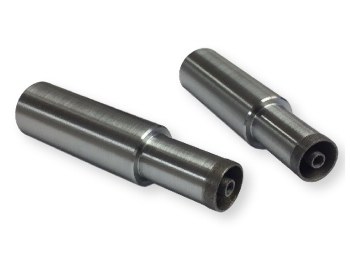
Tapered Diamond Core Drills
Tapered drills feature an undersized cutting head followed by a tapered section that brings the hole to final dimension. This geometry:
-
Reams the hole to finished size
-
Removes chipping during breakthrough
-
Improves exit quality on brittle materials
Because coolant must flow around the drill, a catchment area beneath the workpiece is required.
Disintegrating Diamond Core Drills
Disintegrating drills feature an offset ID, making the core smaller than the drill’s internal diameter. As a result, coolant easily washes the core away, significantly reducing core hang-up problems.
For these tools, always specify material type so Braemar can select the correct diamond grit and bond matrix. When ordering tight tolerances, request the drill be made to the maximum allowable tolerance (+0.001″ / –0.000″), which increases tool life.
Dual Diamond Core Drills
Dual core drills cut both the ID and OD in a single pass, dramatically increasing production efficiency. While there is a learning curve, many users achieve excellent results.
Braemar USA typically holds ±0.001″ on both dimensions for drills 2.000″ and smaller.
Diamond Concentration for Core Drills
Diamond concentration describes the volume of diamond in the bond.
A 100% concentration corresponds to 25 vol% diamond, or approximately 0.72 carats per cubic inch.
Most metal-bond or sintered drills use 100% concentration. Finer grits or special operating conditions may require lower concentrations.
Common Diamond Types
-
Plated Drills:
GE MBS(t) synthetic diamonds (120/140 grit) or De Beers ECD. -
Impregnated Drills:
De Beers SDA or GE MBS synthetic diamonds.
The true measure of performance is not diamond amount alone but overall tool behavior under load, coolant conditions, and operator technique.
Need Help Selecting a Diamond Core Drill?
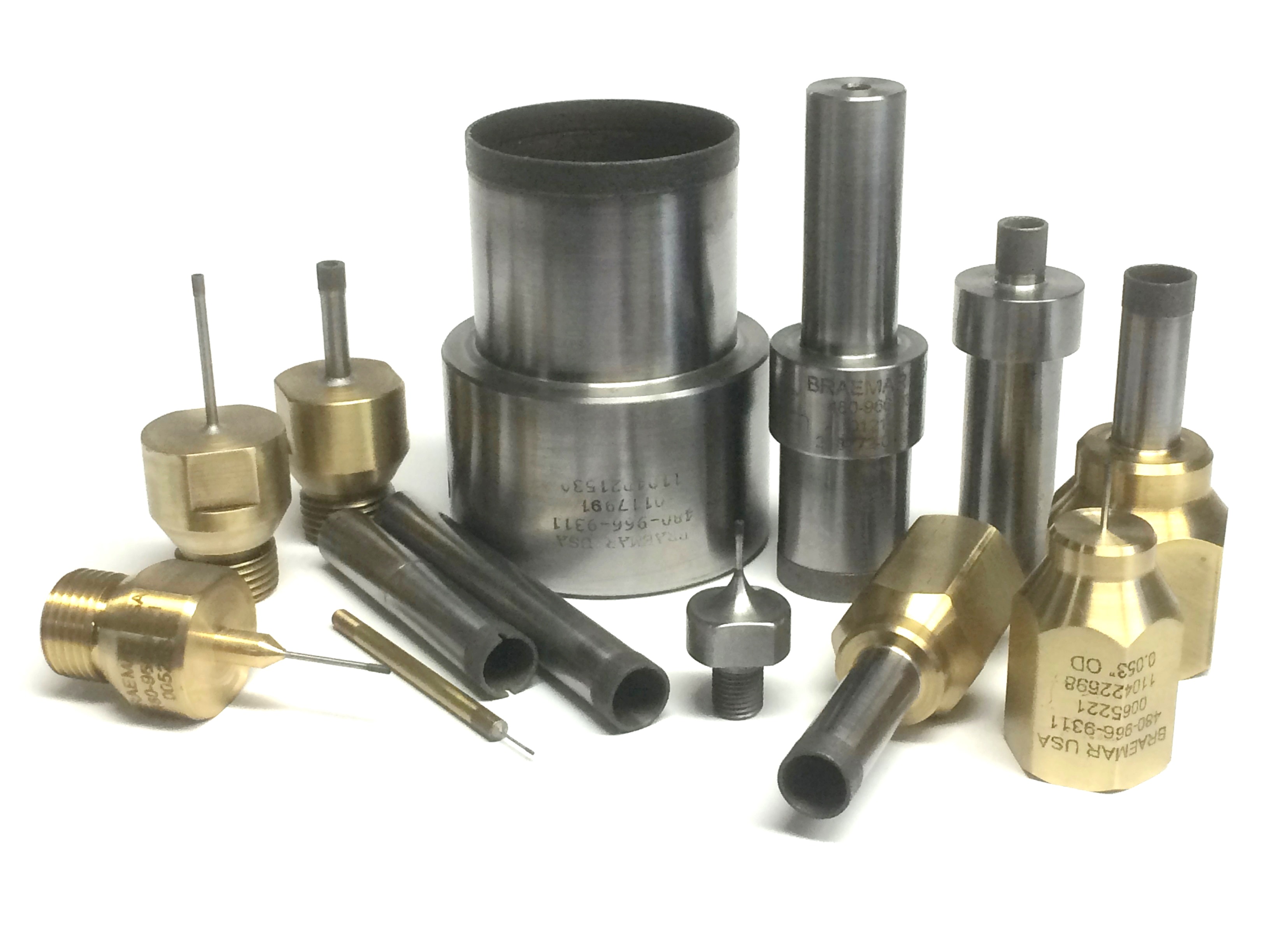
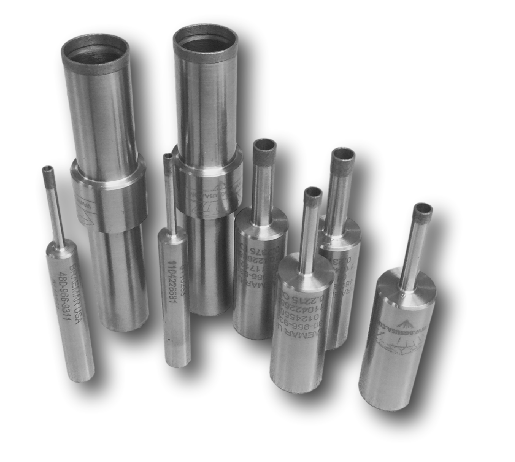
Braemar USA engineers and manufactures all major styles—plated, metal bond, resin bond, tapered, dual, and disintegrating.
Tell us your material, tolerances, and machine type, and we’ll recommend the correct specification, grit, bond, and geometry.
Call (480) 966-9311 or Add to Quote for pricing.